

Catholic Social Teachings
What is Catholic Social Teaching?
Catholic Social Teaching (CST) is based on a tradition of episcopal and papal writings on political, economic and social issues facing our time.
An essential part of the Catholic faith, the key values of Catholic Social Teaching, are found at the core of the Gospel. The key themes of CST are:
- Human Dignity
- Community & Participation
- Care for Creation
- Dignity in Work
- Option for the Poor
- Solidarity
Our Catholic Social Teaching Themes
HUMAN DIGNITY
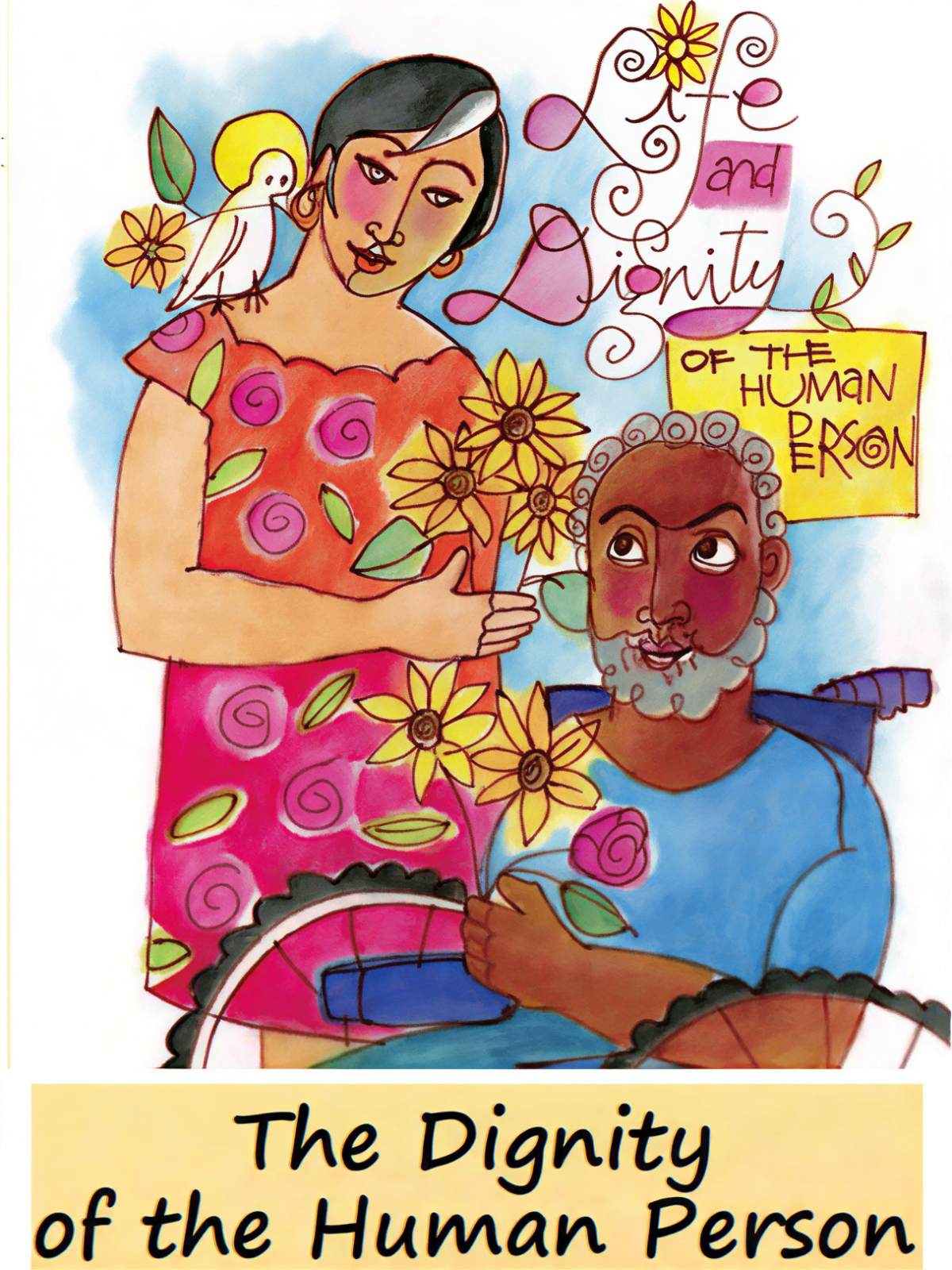 All people (regardless of gender, disability, age, race, ethnicity, nationality, culture, sexual orientation, political or religious belief) are part of the human family. Here at Salvatorian College we celebrate diversity, and the strength it gives us, as we come together and seek justice for all. Since we believe each person is made in the image and likeness of God, and has inherent dignity, we support charities that we believe support human dignity, such as St. Luke’s (our local hospice here in Harrow). We endeavour to treat each other with love and respect at all times. We actively celebrate our diverse community (e.g. prayer, involvement in assembly) and we learn from our mistakes. In the classroom we are respectful of the views of all learners.
CARE FOR CREATION
 Stewardship and caring for the earth are integral to our task of tackling climate change and caring for our common home.
Here at Salvatorian College we have an eco-group working hard to raise awareness of the problem and creating greener spaces around the college site, as well as affecting change locally, nationally and globally. We also seek to keep the College site clean and tidy.
PREFERENTIAL OPTION FOR THE POOR
 God wants us to help people who are poor, who don’t have enough food, a safe place to live, or a community; as such, we support charities that help the poor, we collect for the needy and send food parcels to those in our community who need extra support.
At Christmas we provide hampers for the poor. We endeavour to show compassion to others, to make generous contributions for fundraising and to give generously of our time as well as donating second hand uniform.
PARTICIPATION & SUBSIDIARITY
 Together, we can confront the problems of our world and seek solutions that are truly effective. We listen to others as they speak for themselves, help them to participate if they need such help and speak-out boldly on their behalf when it is right to do so.
Here at Salvatorian College we support campaigns that we believe can effect change and support charities such as CAFOD which seek social justice. We attend events designed to empower others. In class, we listen and are accepting of opinions that are different from our own/respecting other people’s points of view.
SOLIDARITY
 God made everyone, so we are all brothers and sisters in God’s family. Wherever we live we are called to be part of The Body of Christ and be attentive to the needs of others. By coming together in hope as individuals, families, communities, organisations and nations, we can achieve transformative change for the common good.
Salvatorians respond to the needs of others by coming together in form time, with form representatives. These then meet in the School Council to bring about change in the College. Our boys come together, throughout the day and more formally, to pray for the needs of others and listen to positive messages.
THE RIGHTS OF WORKERS
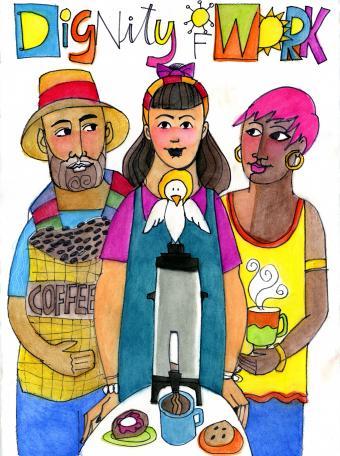 The economy must serve people, not the other way around. Work is more than a way to make a living; it is a form of continuing participation in God’s creation. If the dignity of work is to be protected, then the basic rights of workers must be respected, the right to productive work.
Here at Salvatorian College we treat all workers in our school with respect, we listen to staff and follow instruction. We will endeavour to carry these values into our future place of work by becoming leaders of good influence.
COMMUNITY & PARTICIPATION
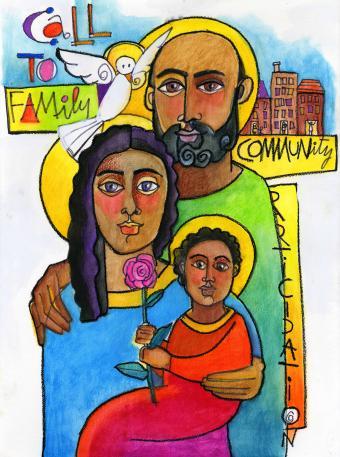 God made us to be part of communities, families and countries, so all people can share and help each other. In the Acts of the Apostles, St. Paul describes what community looks like: Disciples of Christ shared their food and possessions to make sure the neediest among them were taken care of (Acts 2:42–47).
These members of the early Church modelled a society in which all members of a community care for one another. Here at Salvatorian College we recognise that marriage and family are foundational communities of society and, as such, we promote marriage and the family and consider the role of community in Year 7 & 8 retreat. We support charities, as we believe that we are called to do so.


